Visualizing Risk Management for Business Success
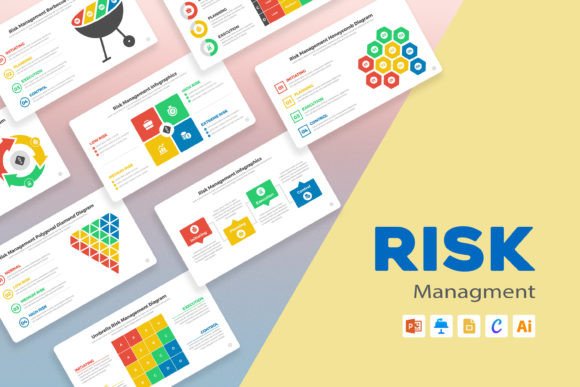
Effective communication is the bedrock of any successful risk management strategy. Yet, translating complex concepts like threat assessment, mitigation plans, and compliance frameworks into digestible information for your team can be a significant hurdle. This is where the power of a well-designed visual aid becomes invaluable. Utilizing a professional Risk Management Infographic Template can transform this challenge into an opportunity for clarity, engagement, and organizational resilience.
Why Visual Communication Matters in Risk Management
Risk management is not solely the domain of specialists; it is a shared responsibility. Every employee, from front-line staff to senior executives, plays a role in identifying and mitigating potential threats. However, dense policy documents or lengthy presentations often fail to capture attention or convey urgency. An infographic serves as a visual anchor, simplifying intricate processes into a logical, easy-to-follow flow. It moves beyond abstract theory to show the practical, tangible steps your organization takes to protect its assets, reputation, and people.
Consider a scenario where you need to introduce a new cybersecurity protocol. A paragraph-heavy email might be ignored or misunderstood. A dynamic infographic, however, can illustrate the common threat vectors, the step-by-step response plan, and the critical importance of each individual’s actions in a single, compelling visual. This immediate comprehension fosters a culture of vigilance and shared ownership, turning policy into practice.
Beyond Education: The Strategic Benefits of a Template
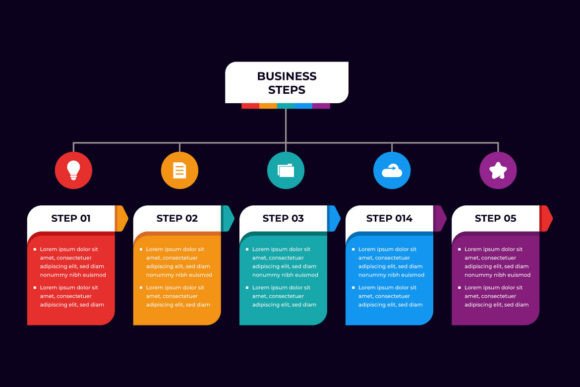
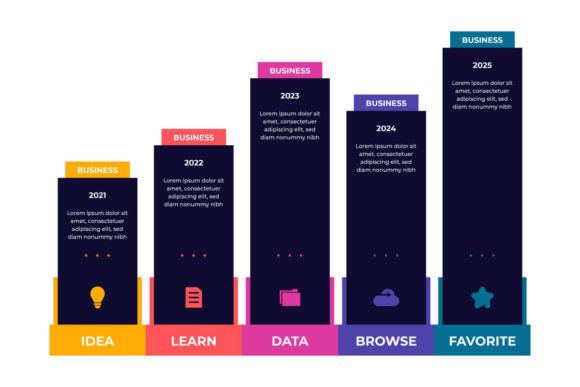
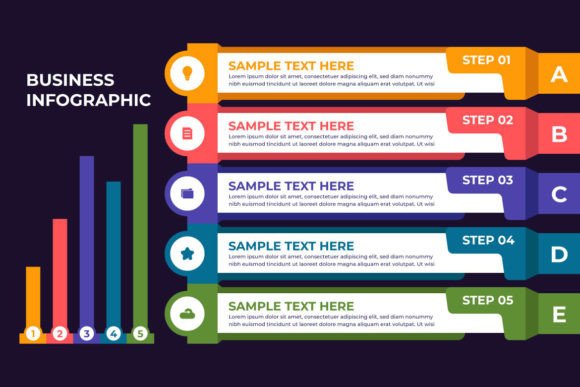
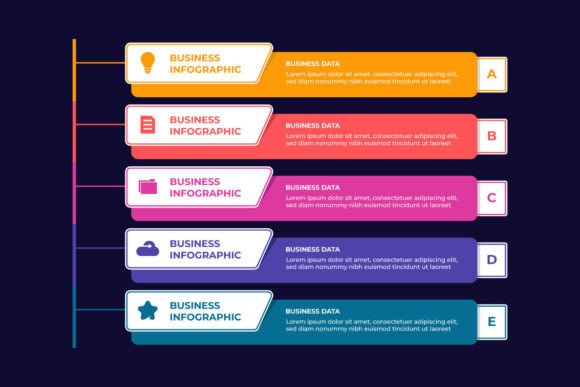
A high-quality Risk Management Infographic Template offers more than just an educational tool. Its primary value lies in accelerating and enhancing your entire communication workflow.
First, it saves considerable time and resources. Developing a coherent visual framework from scratch requires graphic design skills and hours of layout work. A professional template provides a ready-made, structurally sound foundation. You are not starting with a blank canvas but with a strategically organized blueprint designed to communicate risk concepts effectively. This allows you to focus your energy on tailoring the content—the specific risks, data, and procedures relevant to your business—rather than wrestling with design fundamentals.
Second, it ensures consistency and brand alignment. When risk communication materials look haphazard or amateurish, their authority diminishes. Templates typically come in several coordinated styles, allowing you to select a visual theme that aligns with your company’s existing branding—colors, fonts, and overall aesthetic. This consistency reinforces that risk management is an integral, professional part of your business operations, not an afterthought.
Finally, these templates democratize creation. With editable files for common platforms like PowerPoint, Google Slides, or Illustrator, the task doesn’t fall solely on a design department. A safety officer, a compliance manager, or a team lead can take the template, insert their specific information, and produce a polished, credible asset. This empowers subject-matter experts to communicate directly and effectively, streamlining internal processes.
Practical Applications Across Your Organization
The utility of a Risk Management Infographic Template extends across numerous departments and scenarios. For Human Resources, it can visually outline workplace safety procedures or the steps for reporting harassment, making policies accessible and empowering. In Operations, an infographic can map out supply chain risk factors and contingency plans, ensuring all logistical team members understand their role in maintaining continuity.
Project managers can use a template to create a clear risk register for a new initiative, visually categorizing potential delays, budget overruns, or technical hurdles alongside their mitigation strategies. This becomes a living document for team alignment. For client-facing roles, a simplified infographic can even be adapted to explain your company’s risk mitigation practices to partners or customers, building trust and demonstrating procedural maturity.
The key is adaptability. A robust template provides the structure—the sections for defining risk, assessing impact and probability, outlining response actions, and assigning ownership. You populate this structure with the content that matters most to your audience and your current objectives.
Choosing the Right Tool: Considerations and Fit
While the benefits are clear, it’s wise to consider your specific needs. These templates are ideal for organizations seeking to standardize and elevate their internal risk communication quickly and affordably. They are a powerful solution for small business owners, freelancers managing project risks, educators teaching business concepts, or any professional without dedicated design support.
Potential limitations exist if your needs are highly bespoke. For instance, if your risk management process involves an extremely unique, proprietary framework that doesn’t fit standard categories, you might require more custom design work. However, most professional templates are fully editable, allowing for significant modification of text, icons, and layout, so they often suffice for a wide range of models, from ISO 31000 principles to simpler departmental checklists.
When evaluating options, look for practical features that match your team’s workflow. Instant download availability means you can address an urgent communication need immediately. Compatibility with the software your team already uses—whether it’s PowerPoint for generalists or Illustrator for designers—is crucial. Support for free fonts and included documentation further reduces barriers to a smooth editing experience. The goal is a tool that integrates seamlessly, removing technical friction so you can concentrate on the message.
Building a Culture of Proactive Awareness
Ultimately, investing in clear visual communication tools like a Risk Management Infographic Template is an investment in your organizational culture. It shifts risk management from a periodic, perhaps dreaded, administrative task to an ongoing, visible part of the operational conversation. When processes are understandable, people are more likely to follow them, suggest improvements, and actively participate.
This proactive awareness is your strongest defense against unforeseen challenges. An infographic hanging in a common area, distributed in a onboarding packet, or featured in a team meeting serves as a constant, clear reminder of the framework that protects the business. It turns abstract policy into a tangible guide, empowering every employee to contribute to the organization’s stability and success.
By making complex information accessible, you not only educate your team; you equip them. You provide a common reference point that aligns understanding and action. In a landscape where risks evolve constantly, such alignment is not just helpful—it is essential. A professional, easy-to-use template is a straightforward, effective step toward achieving it.