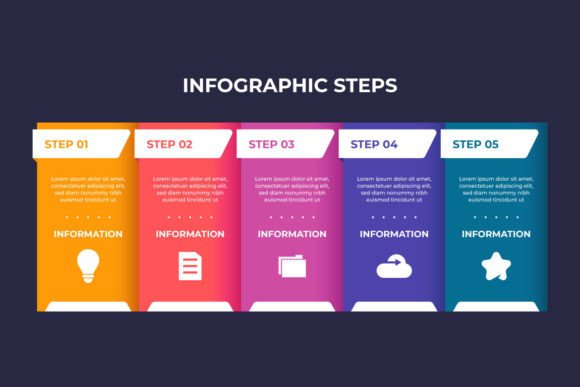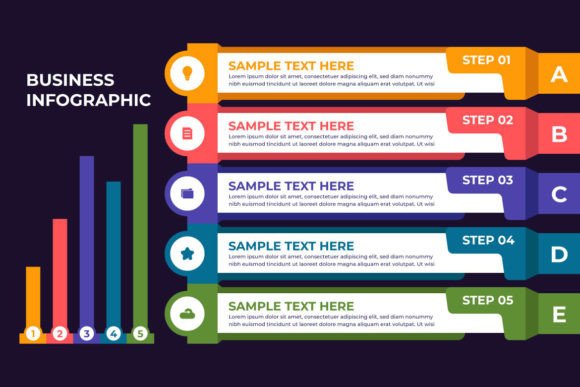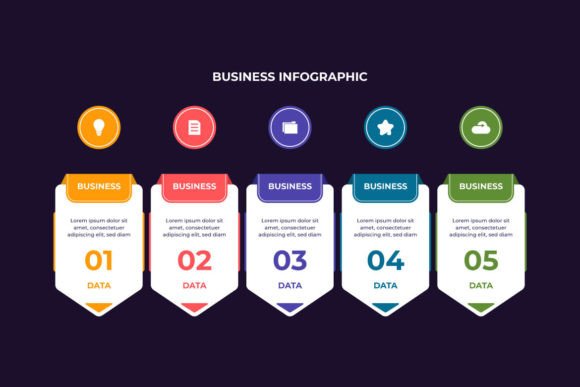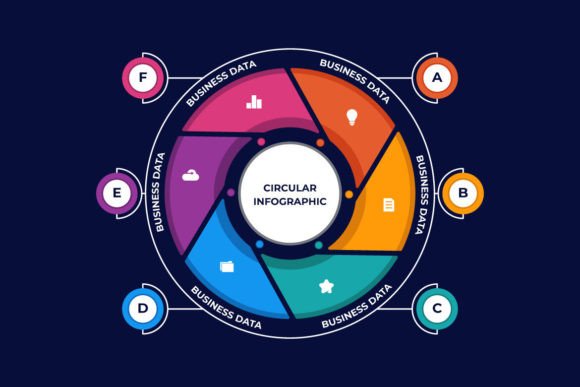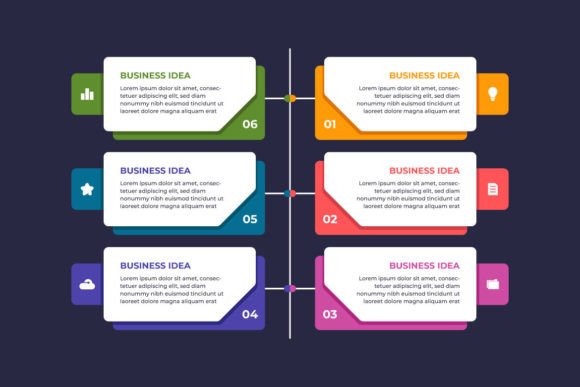
Understanding the Colorful Business Infographic Template
A Colorful Business Infographic Template is a pre-designed visual framework used to communicate complex business data, processes, or achievements in an easily digestible format. It combines structured layouts with vibrant color schemes to organize information logically and enhance viewer engagement.
These templates serve as a foundational tool for creating a visual summary of a company's performance, strategy, or market position. They transform standard reports into compelling narratives by using charts, icons, and concise text blocks within a cohesive design system.
Key Reasons for Interest in a Colorful Business Infographic Template
Individuals and organizations consider these templates for several practical reasons. The primary appeal is efficiency. Designing an infographic from scratch requires significant graphic design skill and time. A template offers a ready-made structure that can be populated with specific data, drastically reducing production time.
Another reason is the need for enhanced communication. In environments where stakeholders may skim lengthy documents, a well-crafted infographic can ensure key takeaways are understood quickly. The use of color is not merely decorative; it guides the viewer’s eye, categorizes information, and can evoke associations that reinforce the message.
Finally, there is a widespread recognition of the value of visual content in digital and physical spaces. For marketing collateral, internal presentations, or annual reports, a professional infographic can elevate the perceived quality and credibility of the information presented.
Potential Benefits
- Clarity and Comprehension: Visual representations can make statistical data and relational concepts more accessible than text alone.
- Brand Alignment: Many templates allow for customization of color palettes and fonts, enabling alignment with existing brand identity.
- Resource Optimization: They enable teams without dedicated design resources to produce professional-quality materials.
- Consistency: Using a template ensures a uniform visual language across multiple infographics or updates over time.
Important Tradeoffs and Considerations
While beneficial, using a template involves certain compromises. One key tradeoff is originality. A widely available template may result in a visual style that feels familiar or generic to audiences who encounter similar designs elsewhere.
Another consideration is flexibility. Templates are designed for general use. If your data requires a highly specialized chart type or an unconventional flow of information, the template structure may become restrictive, forcing awkward adaptations or simplification of the content.
Expectations regarding customization should also be managed. While colors and text can be changed, altering the core layout or graphical elements often requires moving beyond simple editing tools into more advanced software, which may negate the initial efficiency gain.
Situations Where a Template is a Strong Fit
The Colorful Business Infographic Template is particularly well-suited for specific scenarios. It is an excellent choice for recurring reporting needs, such quarterly performance snapshots or project milestone updates. The consistency provided by the template saves time and creates a recognizable format for recipients.
It is also a strong fit for public-facing communications aimed at a general audience. For example, explaining a company's sustainability initiatives or community impact to customers, investors, or the media. The visual format can bridge knowledge gaps and make the information more approachable.
Internal communications within a large organization are another ideal application. When disseminating new policies, training summaries, or departmental achievements across diverse teams, an infographic can increase readership and retention of the core message compared to a traditional email or memo.
When Alternatives May Be Worth Considering
Despite its utility, a pre-designed template is not always the optimal solution. In situations demanding absolute uniqueness—such as a flagship product launch or a cornerstone brand story—a custom-designed infographic may be necessary to create a truly distinctive visual asset.
If the data is exceptionally complex or novel, requiring bespoke visualizations, a template’s standard charts (bar, pie, line) might be insufficient. Alternatives include interactive data visualization tools or commissioning a specialist data designer.
For audiences with specific accessibility needs, the color schemes and graphic density of some colorful templates can pose challenges. Alternatives might involve simplified, high-contrast designs or providing the raw data in an accessible text format alongside the visual.
Practical Decision-Making Insights
To determine if a Colorful Business Infographic Template aligns with your goals, conduct a straightforward assessment. First, audit your content. Can your key points be logically mapped to sections like "Our Process," "Market Growth," or "Yearly Results"? If the fit is natural, a template will work well.
Second, evaluate your resources. Do you have access to software (like Adobe Illustrator or even advanced PowerPoint) and a person with basic competency to customize the template? If not, you may need to seek services that offer template customization as part of their package.
Finally, consider the audience's priority. Is the primary goal fast, clear communication, or is it to impress with groundbreaking creative design? For the former, a template is a pragmatic and effective choice. For the latter, it may fall short.
Aligning the Tool with Your Needs
Ultimately, the decision hinges on balancing speed, quality, and uniqueness. The Colorful Business Infographic Template is a powerful tool for democratizing visual communication. It enables businesses to convey important information with greater impact than plain text, without the high cost and time of custom design.
By understanding its structured nature, recognizing the scenarios where it excels, and being aware of its limitations, you can make an informed choice. It is a solution best employed when the message itself is the star, and the vehicle for that message needs to be professional, clear, and produced efficiently.