The Marketing Concept for Financial Report: A Framework for Strategic Narrative
In an environment saturated with data, the true challenge for any organization is not just in generating accurate financial figures, but in effectively communicating their meaning. The financial report, traditionally viewed as a statutory obligation, is increasingly recognized as a powerful marketing asset. This is the core of the Marketing Concept for Financial Report. It is a strategic framework that reframes the creation and distribution of financial communications as an opportunity to build trust, engage stakeholders, and articulate a company’s future direction. It moves beyond compliance to craft a compelling narrative that resonates with investors, customers, and employees alike.
What makes this concept worth serious discussion is its intersection of rigor and persuasion. A financial report built on this concept doesn’ sacrifice accuracy for appeal; instead, it layers a clear, strategic narrative onto the foundational data. It acknowledges that the same numbers can tell vastly different stories depending on their presentation and context. In a competitive landscape, where capital and customer loyalty are fiercely contested, the ability to transform a complex balance sheet or income statement into a coherent and credible story is a distinct competitive advantage.
Key Characteristics and Practical Purpose
The Marketing Concept for Financial Report is defined by several deliberate characteristics. Firstly, it is audience-centric. It considers the diverse needs of its readers: the institutional investor seeking long-term value, the analyst looking for operational efficiency metrics, the customer evaluating the company’s stability, and the employee concerned with the organization’s health. Each of these perspectives informs the report’s structure and emphasis.
Secondly, it prioritizes transparency and clarity. This goes beyond legal disclosure requirements. It involves explaining not just what the numbers are, but why they have changed. For instance, a dip in quarterly revenue is presented alongside the strategic investments that caused it and the expected long-term payoff, turning a potentially negative datum into a point of strategic confidence.
The purpose is unequivocally strategic. Its primary aim is to align financial performance with corporate vision. It uses the report as a platform to reinforce brand values, highlight strategic milestones, and clarify future objectives. This transforms the document from a historical record into a forward-looking communication tool.
Integrating the Concept into a Workflow Brochure
For teams tasked with producing these reports, adopting this concept requires a shift in workflow. A practical approach is to develop an internal workflow brochure—a procedural guide that maps the entire process from data collection to publication, infused with marketing principles.
- Phase 1: Narrative Alignment – Before number-crunching begins, the finance and communications teams collaborate to define the core messages for the period, based on strategic goals.
- Phase 2: Data Synthesis for Story – Financial data is compiled not just for totals, but for trends and stories that support the agreed narrative.
- Phase 3: Visual and Editorial Design – This stage involves creating supportive infographics, like a clean timeline chart showing R&D investment milestones leading to a new product launch, or a cycle diagram illustrating the cash flow reinvestment process.
- Phase 4: Multi-Channel Distribution Strategy – The report is not merely posted. Sections are adapted for blog posts, investor briefings, and internal newsletters.
This workflow ensures consistency and embeds the marketing mindset into every step, preventing the report from becoming a last-minute, purely technical exercise.
Strengths and Real-World Performance
The strengths of applying the Marketing Concept for Financial Report are most evident in its real-world performance. It enhances stakeholder confidence. A report that clearly explains volatility, growth drivers, and risk management fosters greater trust than a dense, cryptic document. This can directly influence investor retention and customer loyalty.
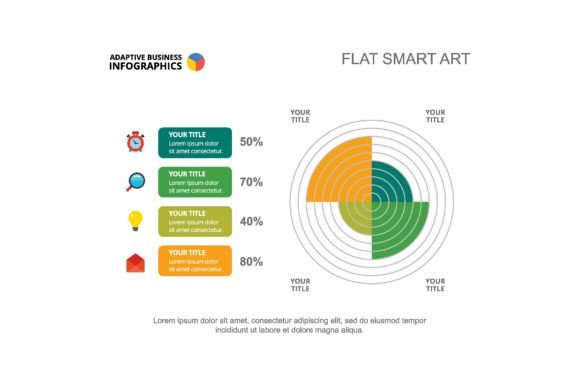
From a usability perspective, it makes complex information accessible. Well-designed percentage-based infographics, for example, showing the breakdown of revenue streams or the allocation of profits, allow readers to grasp key takeaways quickly. This is invaluable for busy professionals who need to assimilate information efficiently.
Its effectiveness is also measured in consistency. Over multiple reporting cycles, this approach builds a coherent, cumulative narrative of the company’s journey. Each report becomes a chapter in a larger story, which strengthens brand identity and strategic positioning. The long-term value lies in this accumulated credibility and clarity, which can lower the cost of capital and enhance brand equity.
Who Benefits Most from This Approach?
While large corporations have long employed elements of this concept, its value is perhaps even greater for specific audiences.
- Entrepreneurs and Small Business Owners seeking investment or building market presence. A financially transparent, narrative-driven report can be a decisive tool in convincing angel investors or bank lenders of the business’s viability and vision.
- Professionals in Growth-Stage Companies, where the story of scaling operations, managing burn rates, and achieving milestones is critical for continued support.
- Freelancers, Creators, and Serious Hobbyists operating as solo entities. Even a simplified annual summary that uses this concept can powerfully communicate professionalism, stability, and future plans to clients, patrons, or collaborators.
- Educators and Publishers who manage budgets for projects or institutions. Clearly marketing financial outcomes can secure further grants, donor funding, or subscriber trust.
The concept fits situations where explanation is as important as the result: fundraising rounds, customer retention campaigns, periods of strategic change, or any scenario where stakeholder trust is directly tied to financial understanding.
Professional Observations and Practical Recommendations
Implementing the Marketing Concept for Financial Report requires a balanced approach. A key observation is that the narrative must be evidence-based. Every claim or optimistic forward statement must be rooted in, or logically extrapolated from, the presented data. Overreach or unsupported hype will damage credibility more than a bland report.
Start practically. Do not attempt to overhaul the entire annual report at once. Begin by adding a concise “Strategic Context” section to the next quarterly update. Introduce one clear infographic, such as a cycle diagram showing your service delivery and revenue collection loop. Use plain language summaries alongside the technical statements.
Collaboration is non-optional. The finance team must work with marketing, communications, or even product leads to ensure the narrative is both accurate and resonant. This often requires breaking down internal silos.
Recognizing Limitations
It is crucial to acknowledge the limitations of this framework. The primary constraint is regulatory and legal compliance. The marketing narrative cannot override or obscure mandatory disclosures. The creative presentation must always operate within the strict bounds of accounting standards and securities regulations.
Secondly, it requires additional resources—time and skill. Designing effective infographics and crafting clear narratives adds to the production cycle. For very small operations, this overhead needs to be weighed against the benefit.
Finally, its effectiveness is audience-dependent. While it broadly enhances communication, some traditional, numbers-focused stakeholders may prefer the classic, densely tabulated format. A hybrid approach, offering both deep data and narrative summaries, can cater to this spectrum.
Ultimately, the Marketing Concept for Financial Report is not about making reports “flashy.” It is about making them meaningful. It asks a fundamental question: Beyond showing that we are compliant, does this document show that we are coherent, credible, and forward-looking? For professionals, business owners, and creators whose success depends on the confidence of others, integrating this concept into their financial communication workflow is a step toward turning obligatory transparency into a strategic advantage.