The Integrated Design Process: Brochure Design, Web Design, and Flow, Ra
Creating effective visual communication is rarely a singular act. It’s a multifaceted workflow that blends different disciplines to form a cohesive whole. For professionals, entrepreneurs, and creators, the concept of brochure design, web design, and Flow, Ra represents this integrated approach. It’s not merely about designing individual assets; it’s about managing the entire process from initial concept to final delivery, ensuring consistency, efficiency, and a logical user journey across both print and digital mediums.
Understanding the Core Components
Brochure Design focuses on tangible, persuasive print materials. It demands attention to physical layout, typography for readability, and a narrative flow that guides a reader through a condensed, impactful story. Web Design operates in a dynamic, interactive space, prioritizing usability, responsive layouts, and the seamless flow of information across pages and devices. The term Flow, Ra in this context refers to the overarching process rhythm and analysis—the “flow” of the creative and strategic workflow, and the “Ra” suggestive of review, assessment, and refinement (akin to a cyclical review phase). Together, they describe a workflow that considers both static and dynamic outputs as parts of a single communication ecosystem.
Where This Integrated Process Fits
This methodology fits naturally at the planning stage of any project requiring multi-channel output. Before a designer sketches a single brochure page or codes a website header, establishing a unified process ensures brand coherence. It’s equally relevant during the execution phase, where decisions about color palettes, imagery, and messaging must translate seamlessly from a PDF to a live webpage. After project completion, the process framework aids in analysis and quality control, using tools and reviews to measure effectiveness and prepare for future iterations.
The Workflow Cycle: From Concept to Ecology
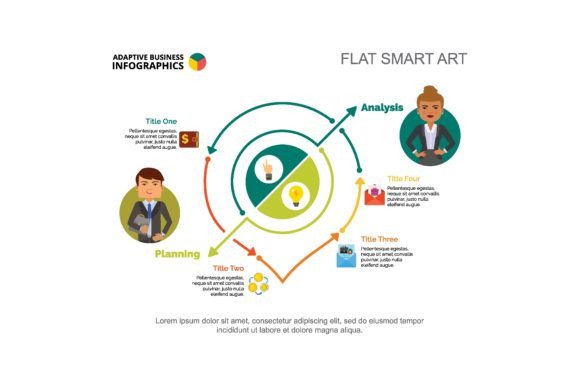
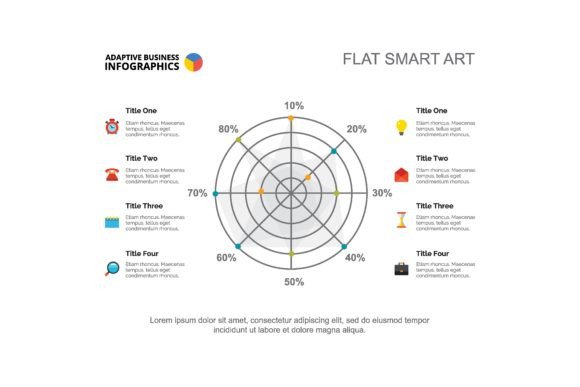
Visualizing this integrated design process is helped by tools like radar charts and cycle diagrams. A radar chart can plot multiple project attributes—such as visual consistency, content clarity, user engagement, and production efficiency—allowing a team to see strengths and weaknesses across the brochure design, web design, and Flow, Ra spectrum. This analysis isn’t a one-off event; it’s part of a recurring cycle. The process is iterative: plan, create, review (Ra), analyze, and refine. Each cycle improves the final output and the workflow itself.
Thinking in percentage terms can also be practical. For instance, allocating 40% of the initial effort to unified strategy and asset creation (shared imagery, core copy), 30% to medium-specific adaptation (brochure layout vs. website navigation), and 30% to testing and review (Flow, Ra) creates a balanced project plan. This prevents last-minute scrambles to align mismatched designs.
Info Graphics as Process Ecology
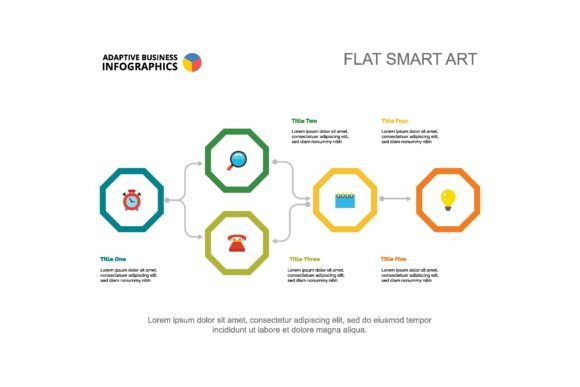
The concept of ecology in info graphics is powerful here. Just as an ecosystem has interdependent elements, a healthy design workflow relies on interconnected components: people (designers, clients, copywriters), tools (software platforms), assets (logos, photos), and methods (review cycles). An ecological flowchart maps these relationships, showing how a change in brochure content affects web updates, or how a client review triggers a refinement cycle. This holistic view turns a linear task list into a living, adaptable process.
Practical Integration into Your Workflow
Integrating brochure design, web design, and Flow, Ra smoothly requires preparation and a focus on compatibility. Start by establishing a central asset repository. Use cloud storage to hold brand guidelines, approved images, and color codes that both your print designer and web developer can access. This is foundational for consistency.
- Kick-off with Unified Strategy: Hold a single planning session covering both brochure and website goals. Define the core message, target audience, and desired actions (e.g., call for brochure, form submission for web). This shared strategy becomes the project’s backbone.
- Parallel Development with Checkpoints: Rather than designing sequentially, work in parallel with frequent sync points. When the brochure layout is drafted, review it alongside the proposed website homepage layout. Use these checkpoints to assess visual and narrative flow across mediums.
- Implement the Review (Ra) Cycle: Schedule formal review stages not just for aesthetics, but for process efficiency. Ask: “Are we duplicating work?” “Is feedback flowing clearly between teams?” Tools like simple process dashboards or even shared kanban boards can visualize this flow.
Workflow Examples and Observations
A marketing agency launching a local business campaign might use this integrated process. The brochure design establishes a strong, local identity with maps and phone numbers. The web design extends this with an interactive location finder and online booking. The Flow, Ra process involves weekly cross-team meetings where analytics from website visits inform adjustments to the brochure’s call-to-action percentage focus.
A freelance creator producing an online course and its promotional materials can also benefit. The course sales page (web design) and the downloadable course outline (brochure design) must feel like parts of the same offer. By managing them under a single workflow with a clear review cycle, the creator ensures messaging is tight and reduces time spent on corrections.
A key observation: The initial time invested in setting up this integrated workflow pays dividends in long-term use. Once the cycle (plan, create, review, analyze) is habitual, it scales. The next project starts more efficiently, with clearer compatibility between outputs.
Interactions with Other Tools and Decisions
This process doesn’t exist in isolation. It interacts directly with software choices. Using Adobe Creative Suite for brochures and a web platform like WordPress requires conscious organization of asset export settings. It interacts with team structure: a clear workflow mitigates friction between a print-focused designer and a UX developer. It also interacts with client decisions; presenting the brochure design, web design, and Flow, Ra as a cohesive service justifies timelines and budgets, emphasizing quality control across all touchpoints.
- Platforms & Assets: Leverage tools that bridge gaps. Canva for Teams, for example, allows creation of templates used for both web graphics and print brochure elements. Version control for copy documents ensures text updates propagate to both mediums.
- People & Methods: Establish a single point of contact for final creative approvals to maintain consistency. Implement a method like a “traffic light” system (red/yellow/green) in status updates to visually indicate the health of each component within the flow.
Tips for Effective Implementation
Begin with a pilot project. Apply the integrated process to a smaller campaign to refine your cycle. Document the steps—what worked, where bottlenecks occurred. This documentation becomes your custom workflow guide.
Focus on the common core. Identify elements that must be identical: logo usage, primary headlines, contact info. Then, embrace medium-specific strengths: brochures can use tactile finishes, websites can use animated testimonials. This balance maintains unity without stifling creativity.
Regularly analyze the flow. Use post-project reviews to assess not just the outputs, but the workflow itself. Did the review cycles happen too late? Was the asset library easy to access? This meta-analysis turns each project into a step toward a more efficient brochure design, web design, and Flow, Ra practice.
Building a Sustainable Design Practice
Ultimately, viewing brochure design and web design through the lens of a managed flow and review cycle (Ra) transforms them from isolated tasks into pillars of a sustainable communication strategy. It encourages thinking in ecosystems rather than silos. For the professional, this means deliverables that reinforce each other. For the client, it means a coherent brand experience. For the workflow, it means a repeatable, analyzable, and improvable process that saves time and elevates quality in the long run. By integrating these components thoughtfully, you build not just a set of designs, but a resilient and efficient creative practice.